China's economy lost momentum across the board in July, as retail sales barely grew, urban investment contracted at a faster pace and unemployment ticked higher, according to the National Bureau of Statistics.
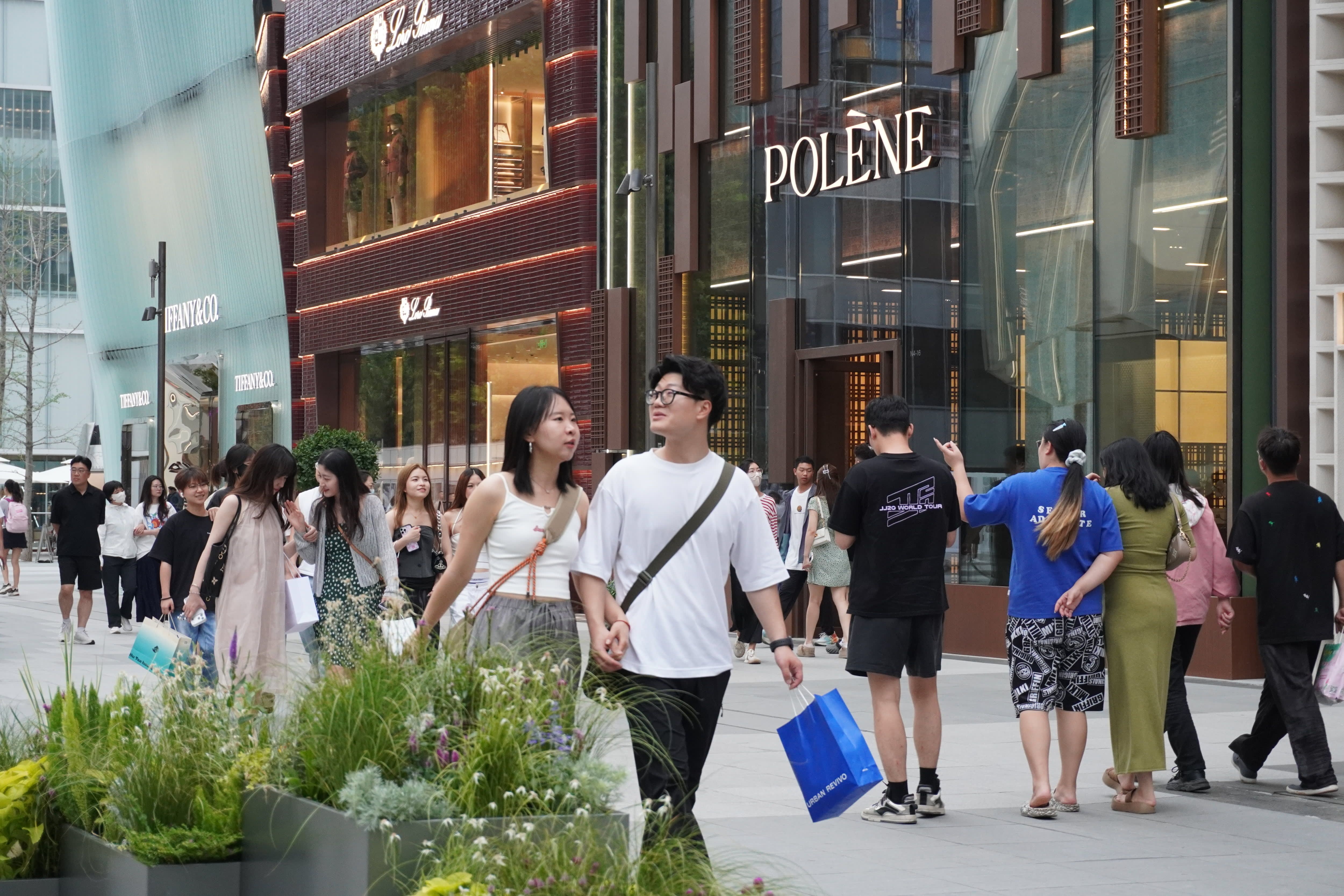
Retail sales rose just 0.6% from a year earlier, missing the 1.5% growth estimated in a Reuters poll and slowing from 1% growth in June. Urban fixed-asset investment, which includes real estate and infrastructure, contracted 6.7% this year as of end-July from a year earlier, worse than the estimated 6% decline and steeper than the 5.7% drop recorded in the first half of the year. Industrial output rose 4.5% in July, undershooting the estimated 4.8% growth and slowing from June's 5.3% rise. The urban unemployment rate stood at 5.2% in July, up from 5% in June.
The data was released at 3 p.m. instead of the usual 10 a.m., reinforcing concerns about the health of the world's second-largest economy amid a deepening supply-demand imbalance. Industrial production and exports tied to the global AI investment boom have helped offset weak consumption and private investment, but July's figures suggest that support may be thinning.
The statistics bureau said China must "accelerate the transition to new growth drivers" and called for greater reforms and further opening up. Bureau spokesperson Fu Linghui said geopolitical pressure abroad and high temperatures domestically affected the economy in July, while noting 5% growth in services retail sales over the first seven months of the year versus a 1.1% rise in retail sales of goods.