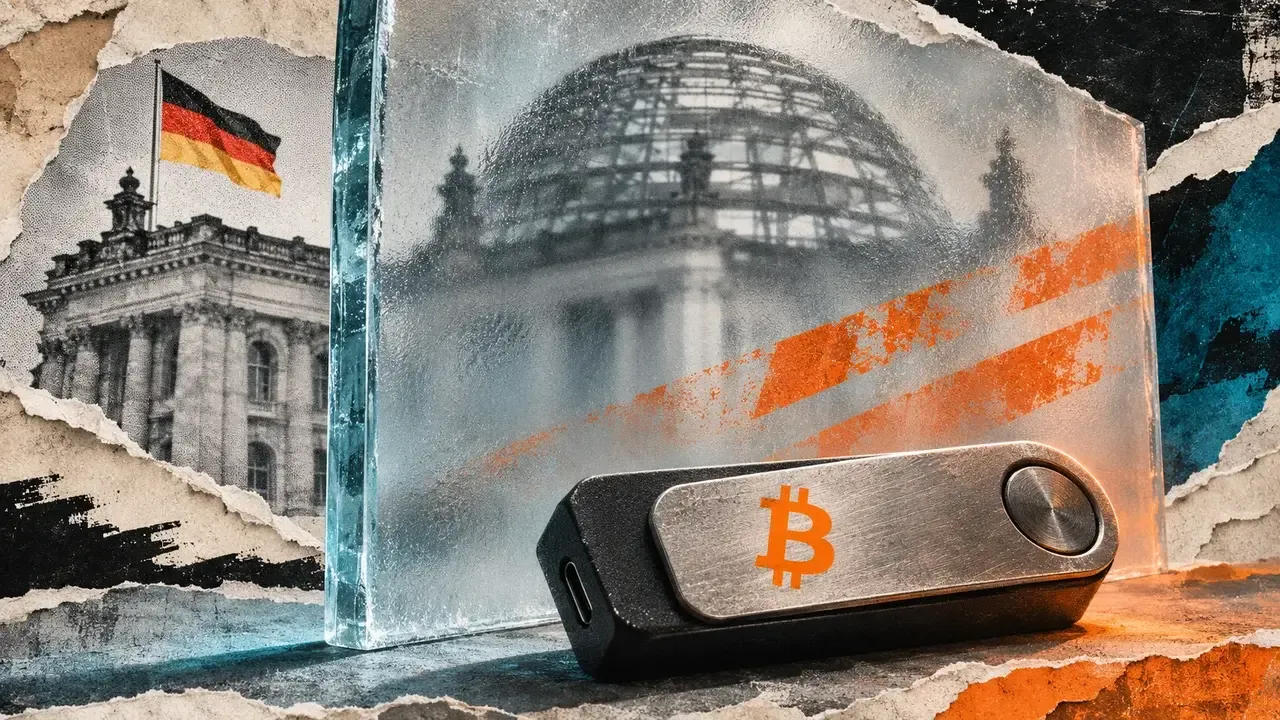
Germany's parliament has approved legislation allowing customs authorities to freeze suspicious crypto holdings, including assets stored in self-custody wallets, as part of a broader effort to combat money laundering and financial crime.
The Bundestag passed the bill on Nov. 12, expanding authorities' powers to investigate assets of questionable origin. Under the legislation, German customs could temporarily freeze significant assets, including cryptocurrencies, when factual evidence raises doubts about their lawful origin. The approved committee text identifies assets worth more than €100,000 as a general benchmark for significant holdings, and authorities could combine closely connected assets when determining whether they qualify.
Customs would initially have 30 days to investigate suspicious holdings, with a finance court authorized to extend the restriction by another 150 days if investigators demonstrate credible doubts about their origin and grounds for further investigation. As of Nov. 18, the legislation had not completed its final approval process, with consideration by the Bundesrat, Germany's chamber representing the states, and publication in the Federal Law Gazette still outstanding.
Exchanges vs. self-custody wallets
The proposed rules could have different consequences depending on how investors hold their Bitcoin.
- For assets held on an exchange, authorities could issue an enforceable attachment order requiring the custodian to restrict withdrawals from an affected account, drawing on Germany's existing tax enforcement provisions.
- For self-custody wallets, where users control the private keys needed to authorize transactions, Germany's proposed framework treats cryptocurrencies as attachable property rights. Under Section 321 of the German Fiscal Code, authorities can attach such property rights by serving the holder with a legal prohibition on disposing of them, without involving a third party.