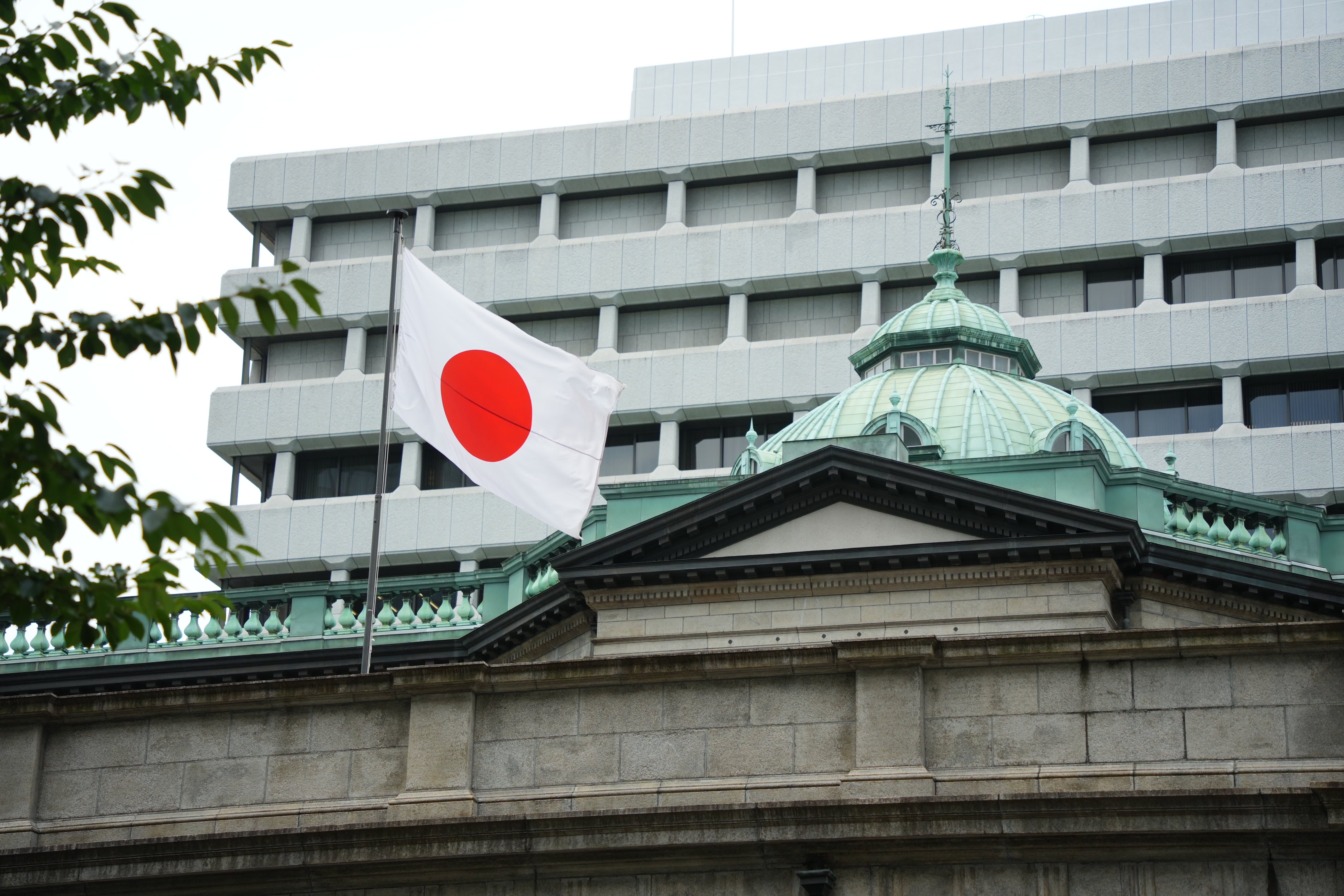
The Bank of Japan is likely to raise its policy rate to 1.25% at the end of its two-day meeting on Friday, according to a CNBC survey, which would mark the highest level in three decades.
Around 89% of respondents in the survey expect a 25-basis-point hike, citing higher inflation, higher wages, and pressure from the U.S. government. Such a move would signal an acceleration of the tightening cycle, faster than the six-month interval the BOJ has followed since starting policy normalization in March 2024. The BOJ last raised rates in June.
Inflation and Wage Pressures
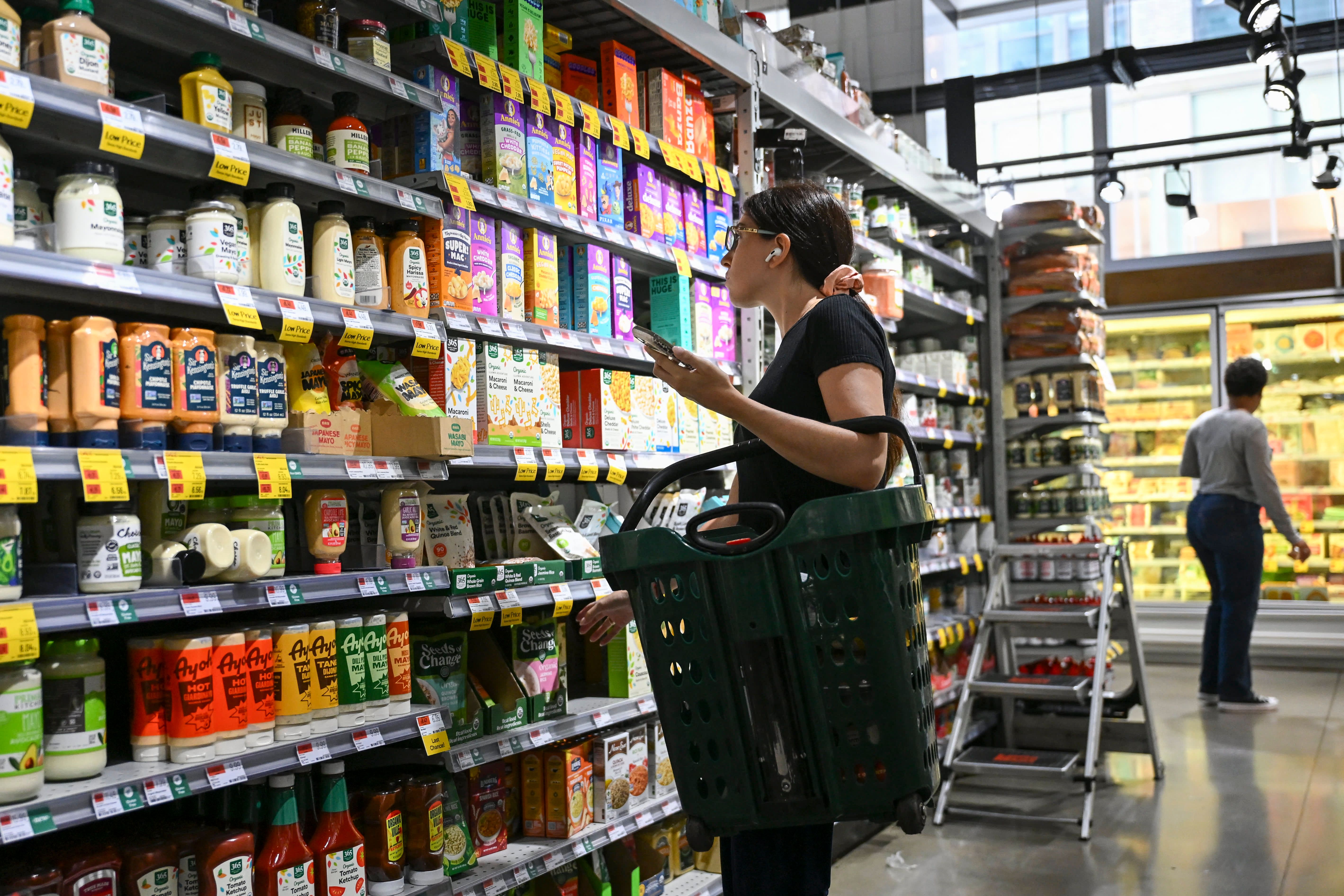
Japan's headline inflation rate for July hit its highest level this year, at 1.9%, driven by increased energy costs stemming from the Iran war. In the same month, real wages rose 2.4%, marking a seventh consecutive month of increases.
U.S. Pressure on Policy
The U.S. has repeatedly pressed Japan to continue raising rates, pushing back against Prime Minister Sanae Takaichi's preference for easy monetary policy and expansionary fiscal policy. Treasury Secretary Scott Bessent recently told BOJ Governor Kazuo Ueda to take "decisive market and monetary steps" at the G20 finance ministers and central bank governors meeting earlier this month. The U.S. favors a stronger yen, since a weak currency could prompt Japan to sell U.S. assets, including Treasurys, to support the yen — a move that could push Treasury yields higher. In late July, the two countries conducted a historic joint intervention to strengthen the yen.