The Federal Reserve on Wednesday approved its first interest rate hike in more than three years and indicated another is to come, as part of an effort to combat inflation driven by spiraling oil prices and other factors.
The Federal Open Market Committee voted 12-0 to raise its key interest rate by a quarter percentage point, or 25 basis points, bringing the overnight funds rate to a target range of 3.75%-4%. The move was widely anticipated by markets, which had priced in a better than 90% chance of the increase.
"Inflation remains elevated," the committee said in its post-meeting statement. "Today's policy action will support a timelier return to the Committee's 2 percent goal. The Committee will deliver price stability."
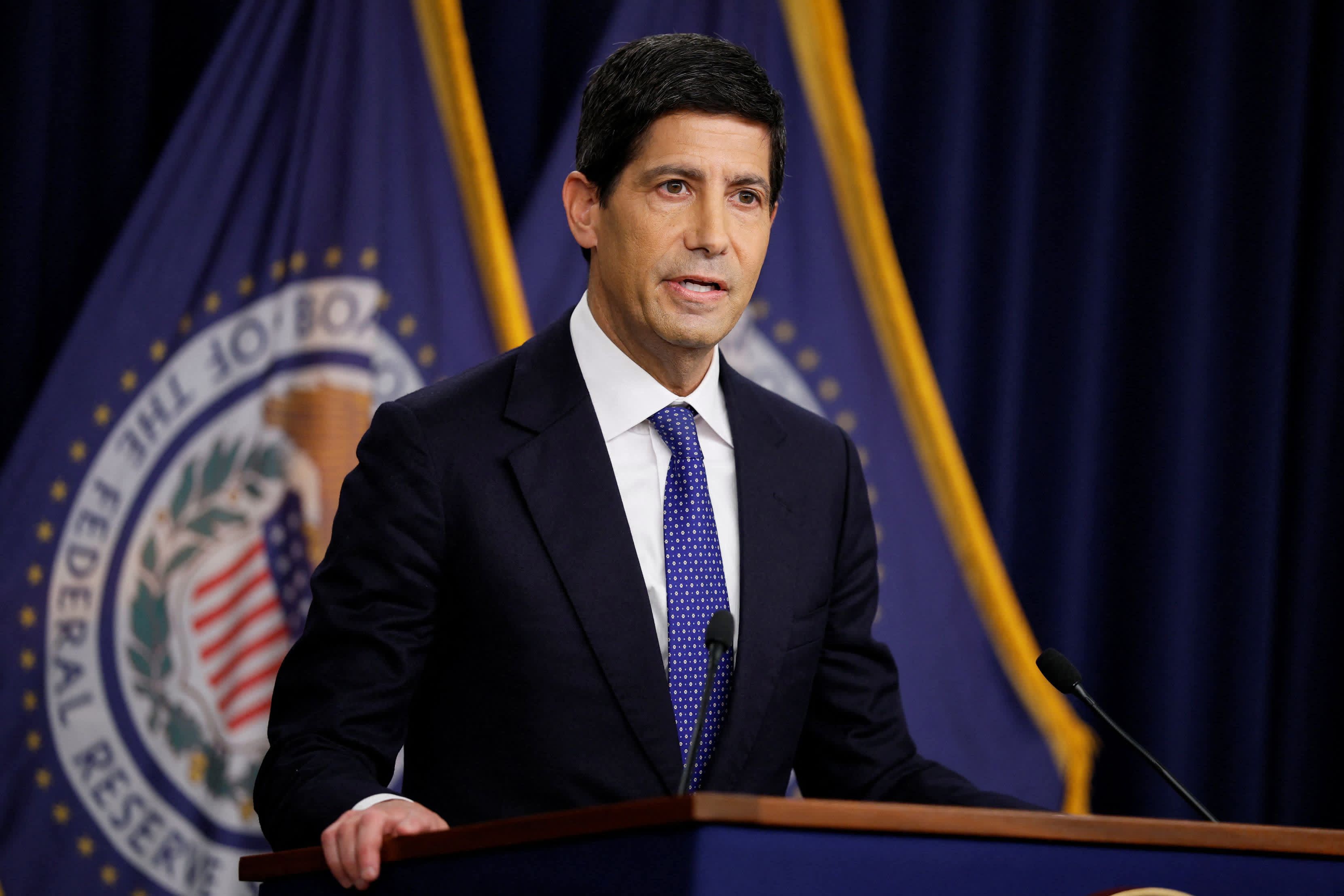
Chairman Kevin Warsh said during a news conference that inflation has been "too high ... for too long," adding that "we must be confident that underlying inflation is moving to our objective clearly and at sufficient speed. Today, the FOMC decided that this standard has not been satisfied." Warsh said the strong economy and labor market, elevated inflation, and tension in the Middle East all contributed to a "firm unanimous decision."
Updated Projections
The committee's dot-plot showed that 16 of the 18 participants expect another rate increase this year, with four of those seeing two more hikes as possible; two participants expected the committee to stop at one hike. Warsh has chosen not to submit a dot since taking the position. No increases are penciled in for subsequent years, with one cut indicated for 2028 and at least one for 2029.
- Headline personal consumption expenditures price index expected at 3.7% this year, up 0.1 percentage point from June
- Core PCE (excluding food and energy) expected at 3.4%, also up 0.1 percentage point
- Headline PCE projected to fall to 2.3% and core to 2.5% in 2027
- Fed does not expect to reach its 2% inflation target until 2029
- Unemployment rate outlook lowered to 4.1%, down 0.2 percentage point from June
The committee had held rates steady all year before sentiment shifted toward a hike in late August. Officials weighed the cost of continuing to look through inflation from higher fuel costs tied to the Iran war and lingering tariff impacts, particularly given a stabilizing labor market. Policymakers are concerned that prolonged high energy prices could lift inflation expectations and spread through the economy, with expanded investment in artificial intelligence also seen as a potential inflationary factor.
Source: CNBC