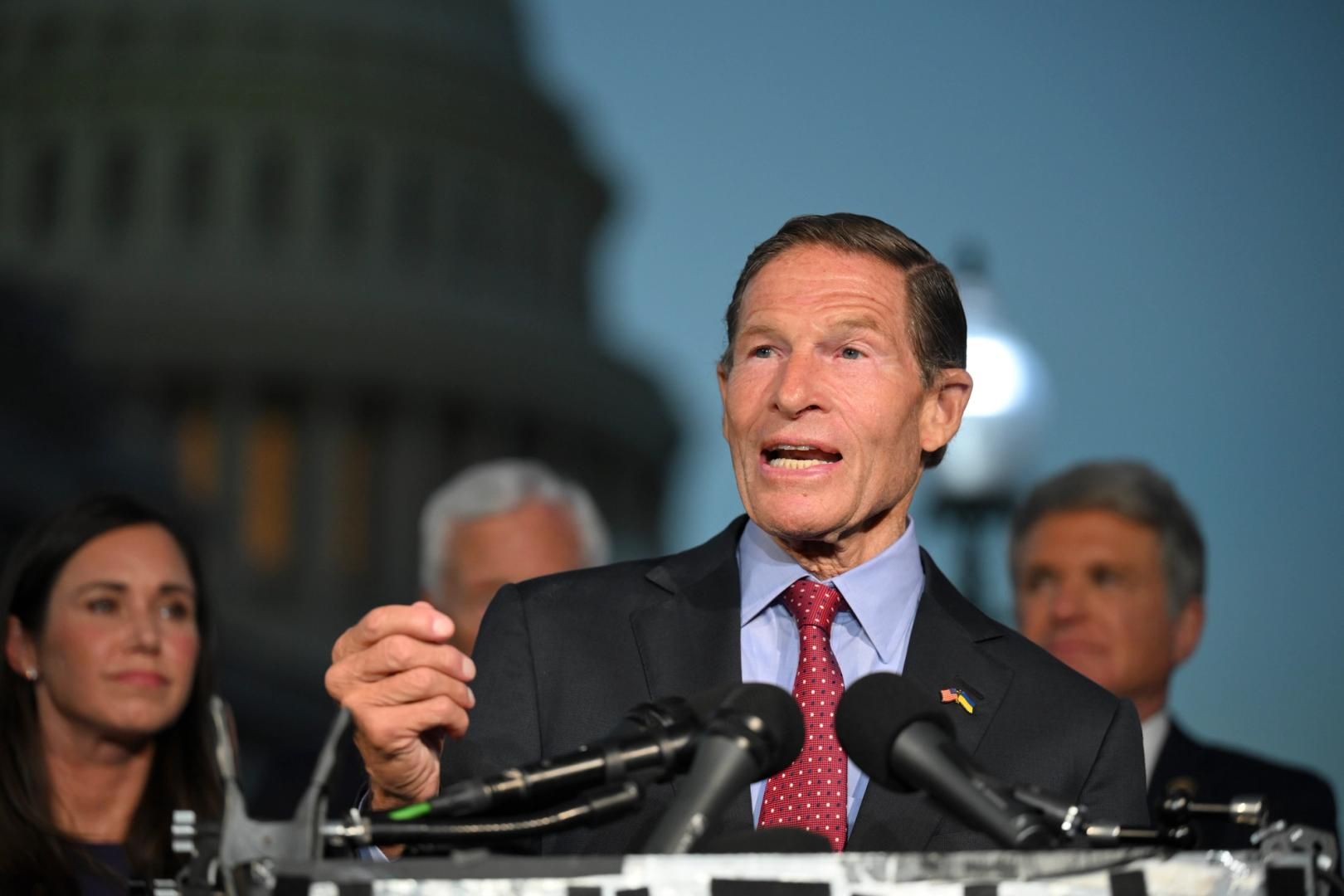
Democrats on the Senate's Permanent Subcommittee on Intelligence published a report alleging that Tether's USDT stablecoin has become a "significant financial lifeline" within Iran's shadow banking network, allowing the government to bypass international sanctions.
The report, published Monday by the Homeland Security and Governmental Affairs Committee subcommittee, states that "Iran's cryptocurrency-based shadow banking network has processed significant volumes of funds and implicates various Iranian interests." It adds that Tether has "repeatedly failed" to block Iran-connected wallets.
According to the report, when Tether does freeze wallets, the process can take weeks, and the company sometimes responds to freeze requests without actually blacklisting the wallets in question. It also claims that "prior to 2024, Tether did not comprehensively and consistently freeze wallets designated by counter-terrorism agencies and continues to fail to proactively block clearly illicit wallets," and that this lack of deterrence led groups such as Hamas to shift from Bitcoin and other cryptocurrencies toward USDT.