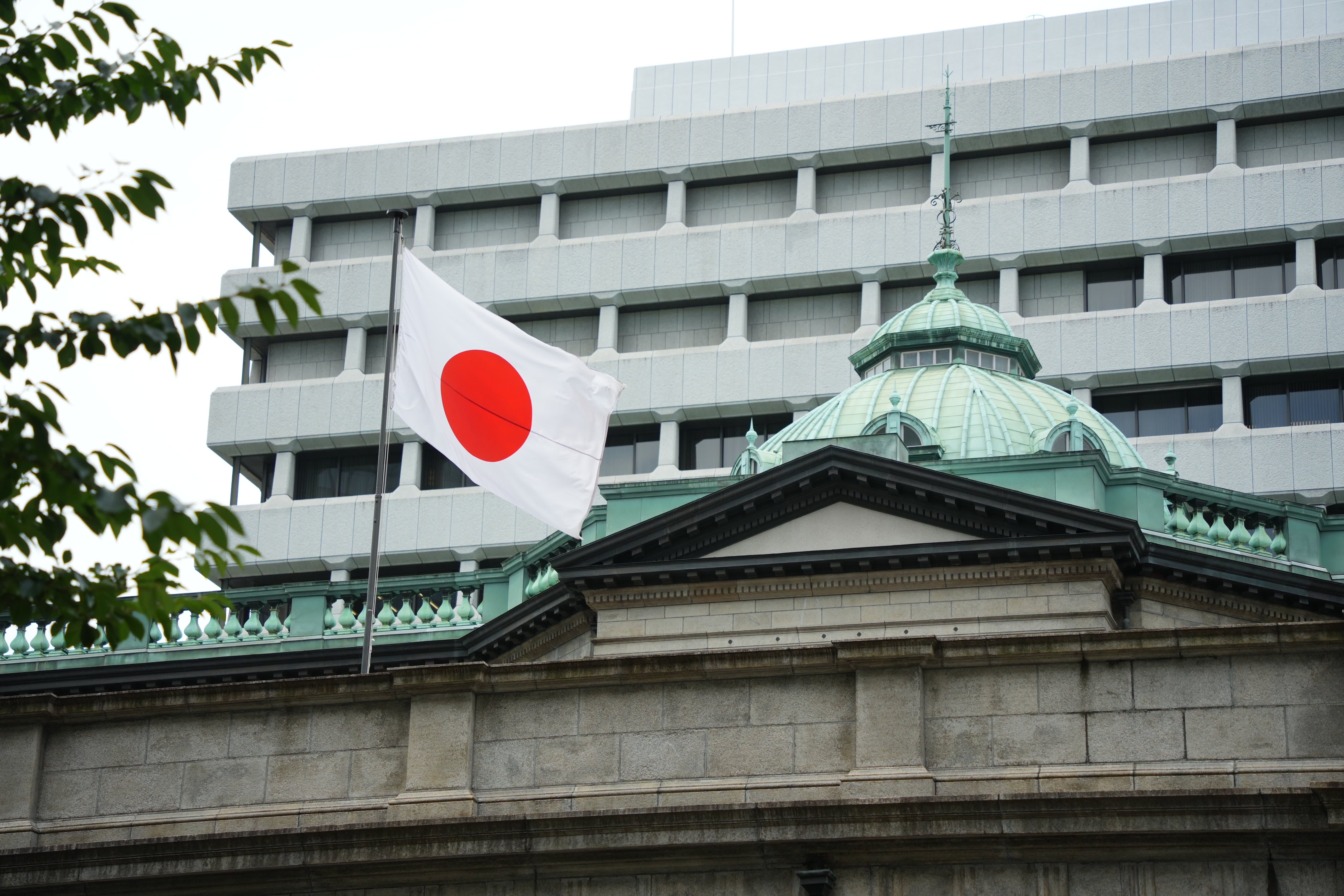
The Bank of Japan kept its policy rate steady at 1% on Friday, an 8-1 decision, while warning that core inflation could exceed its 2% target in the coming fiscal periods.
Board member Hajime Takata was the sole dissenter, proposing a hike to 1.25%. In its outlook, the BOJ said core inflation was likely to accelerate to a level "clearly above" 2% from the second half of its 2026 fiscal year, which runs from September to March. The central bank attributed this to wage increases being passed into selling prices, rising crude oil prices, and the recent depreciation of the yen. It added that inflation should later ease back toward 2% as crude oil prices decline.
Japan's core inflation for July stood at 1.6% and has remained below 2% for most of 2026.
Yen Intervention and Rate Outlook
The decision follows a reported intervention by Tokyo on Thursday night, coinciding with U.S. authorities conducting a "rate check" — a move typically seen as a precursor to intervention. The yen had been trading around 163 against the dollar before rallying to as high as 157.96.
- "The key signal from last night's move is that MOF remains uncomfortable with excessive yen weakness. The line in the sand is probably better viewed as a zone around 162-165 rather than a specific level," said Masahiko Loo, senior fixed income strategist at State Street Investment Management.
- Bloomberg reported before the decision, citing people familiar with the matter, that BOJ officials are open to moving faster than the current market view of one hike every six months.
- Loo said a hike in September or October is possible rather than the usual six-month interval.
The BOJ did not commit to a faster pace of hikes but said that as underlying inflation approaches 2% amid accommodative financial conditions, it will continue raising the policy rate to prevent inflation from deviating upward and having an "adverse impact on the economy afterward."
Analysts pointed to BOJ Governor Kazuo Ueda's post-decision communications as key for market direction. "The more important question is whether Governor Ueda and the BOJ signal an acceleration in the pace of future hikes. This will be the focal point of the meeting, and Ueda's press conference will be where markets look for answers," Wataru Aso, product specialist at RBC BlueBay Asset Management, said in a note.
Source: CNBC